


Hello there,
Burnout doesn’t crash. It creeps.
A late-night Slack you tell yourself is “just this once.”
A weekend swallowed by a client task.
Cynicism disguised as banter.
Left unchecked, those micro-moments compound. And when they do, you don’t just pay with your health. Your business pays too.
Psychologist Christina Maslach defined burnout across three dimensions:
Founders rarely hit all three at once. They slide into them. The danger isn’t collapse, but ignoring the signals that pave the way towards it. Once you know what to look out for, you can catch them early and course correct.

Burnout leaves breadcrumbs before it takes over:
How many showed up for you last week?
A founder I worked with wore 70-hour weeks like a badge of honour. “I’m fine,” they said, until decision paralysis stalled launches, irritability fractured the team, and a flagship client walked after repeated delays.
Only then did they stop. Together, we rebuilt rhythms where energy and mood were tracked as closely as cash flow. The business recovered, but the cost was high.
The lesson? Burnout ignored becomes burnout imposed.
Run a burnout audit this week:
If two or more raise red flags, it’s time to recalibrate.
Consistency compounds more than intensity.
Noticing burnout isn’t weakness. It’s leadership.
Leaders who act on early signs don’t just protect themselves; they also protect others. They protect their teams and the companies that rely on them.
Pick one of the seven signals you recognise right now. Write down the smallest action you can take to address it, book a recovery block, set a boundary, or ask for support.
Burnout prevention doesn’t come from radical change. It comes from deliberate correction, consistently applied.
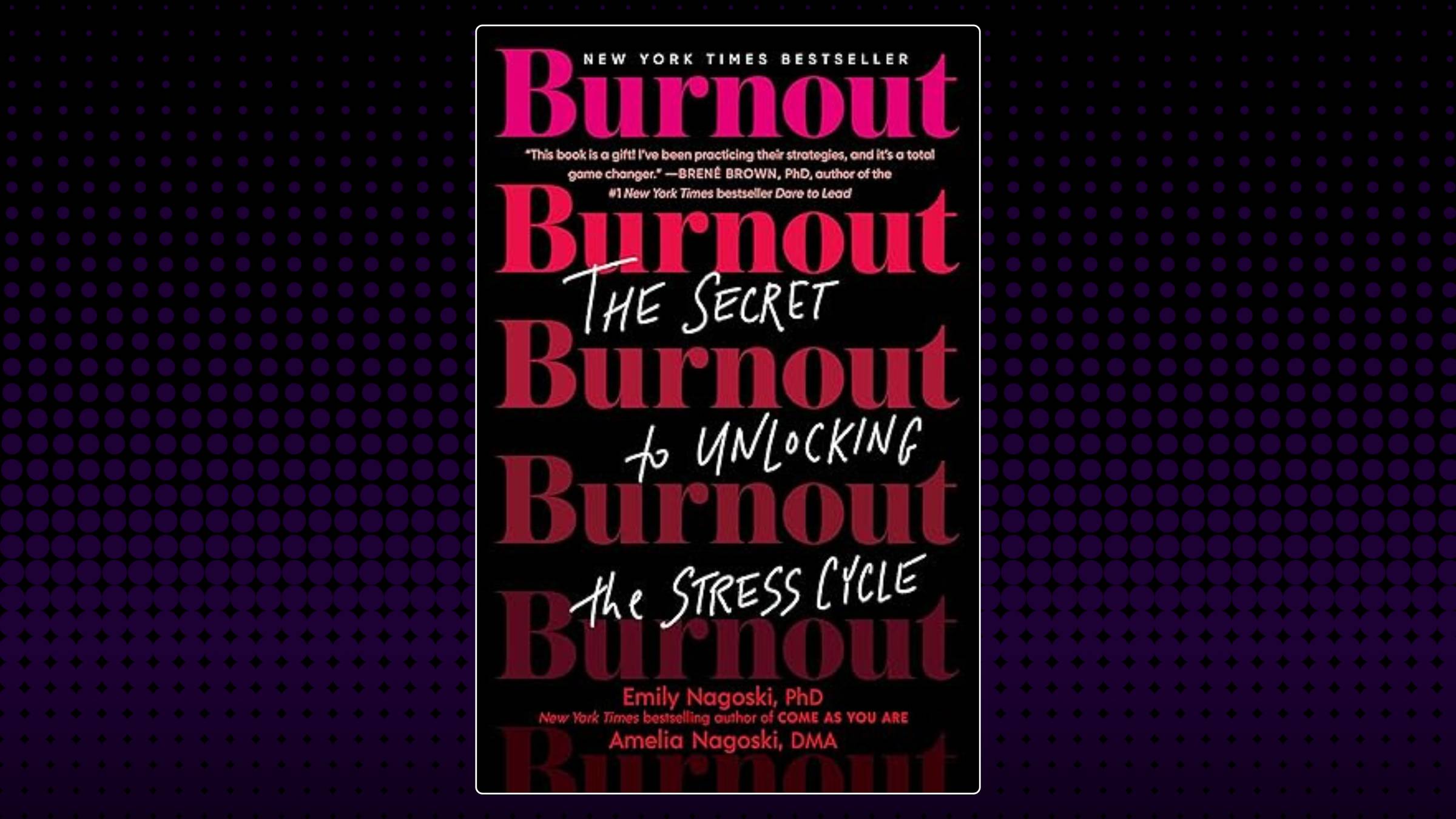
This is the book I wish more founders had on their desks. The Nagoskis explain why stress itself isn’t the problem; it’s what happens when you don’t complete the “stress cycle.” That’s when pressure hardens into burnout.
What I like about this book is its practicality. It gives you tools to reset your body and mind so you can stay in the game longer, without burning yourself out in the process. If you’ve been brushing off the signals, start here.

Burnout doesn’t show up overnight. It creeps in through patterns you ignore until they cost you. That’s why this week’s resource is The Founder Burnout Checklist, a practical PDF I built to help you spot red flags early and protect your capacity before it’s too late.
Inside, you’ll learn how to catch drift with the 5 D’s, rebalance energy with a Daily Audit, and set non-negotiables that stick. It also provides a buffer system for daily, weekly, and quarterly recovery, along with the 4R model to regulate pressure without resorting to numbing habits.
We’ll explore the 70% Rule for Faster, Better Decisions, a framework to avoid decision paralysis without increasing risk. You’ll see why chasing 100% certainty slows growth, and how acting at 70% creates momentum, clarity, and better outcomes.
If burnout is about energy drift, decision paralysis is about momentum drift. Together, they’re two of the biggest silent killers of growth.
What’s the first sign you notice in yourself when you’re running on fumes? Hit reply and let me know. Your answer might help another founder catch it earlier.
To your unstoppable success,

Writer, The Success Method

%20(1).webp)
.jpg)


