


I thought I’d just get a few better mornings and that would be that.
What actually happened was everything got a bit easier. Energy. Clarity. Even my relationships.
Not because I became a different person.
But because my baseline improved.
In this issue, I’ll show you why that’s a leverage move, and I’ll give you a simple 7-day experiment you can run without making it a big deal.
Most people think this is about health.
It is. But it’s also about leverage.
Here’s the stack I’ve seen again and again:
Energy → Decisions → Outcomes
When your energy is better, your decisions get cleaner.
When your decisions get cleaner, your outcomes improve.
Alcohol has a way of quietly dragging the first part down.
Sometimes with a hangover, but more often just with that low-level fog that makes everything feel a bit harder than it needs to be.
That’s the hidden cost: you don’t notice it day to day, but you feel it over time.
This isn’t moral. It’s mechanics.
Sleep is one of the biggest drivers of cognitive performance, mood, and emotional control. Alcohol can make you feel sleepy, but it tends to reduce sleep quality, which means you can wake up “fine” and still not be properly restored.
And when you’re even slightly depleted, decision-making suffers. You’re more likely to avoid the hard thing, delay the call, or choose the quick comfort option.
That’s why this works as leverage.
It’s not about perfection. It’s about removing something that quietly lowers your baseline.
When I stopped drinking, the first thing I noticed was that mornings felt easier.
But the bigger shift was later in the day.
I had more patience in conversations. I listened properly instead of half-listening.
Weekends stopped feeling like “recovery time” and started feeling like actual time.
And at work, decisions felt simpler. Not because the decisions changed, but because I wasn’t trying to think through them with a slightly flat battery.
Rule: No alcohol for 7 days.
Track these three things once a day (30 seconds):
Then add one question:
“What did I do today that I usually avoid?”
Because that’s where leverage shows up. Not in theory, but in behaviour.
Most people think the benefit is what you stop doing.
The real benefit is what becomes easier once your baseline improves.
If you keep telling yourself you need more discipline, try this:
Remove the friction.
Stop asking willpower to do a system's job.
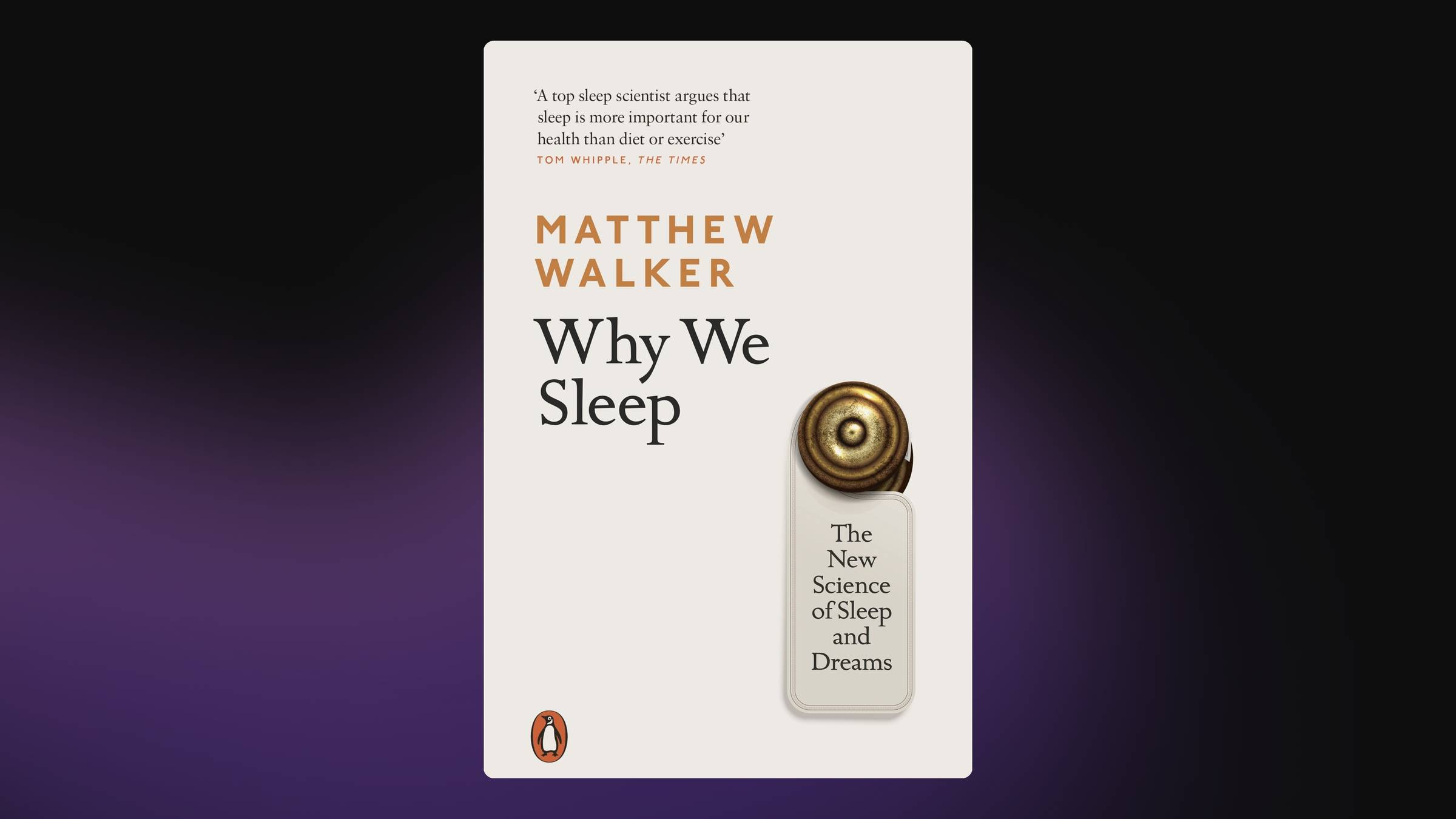
If you want to understand why poor sleep has such a knock-on effect, this is the clearest place to start. It explains what sleep actually does for mood, learning, recovery, and performance, and why even small disruptions can lead to poorer decisions and reduced emotional control.
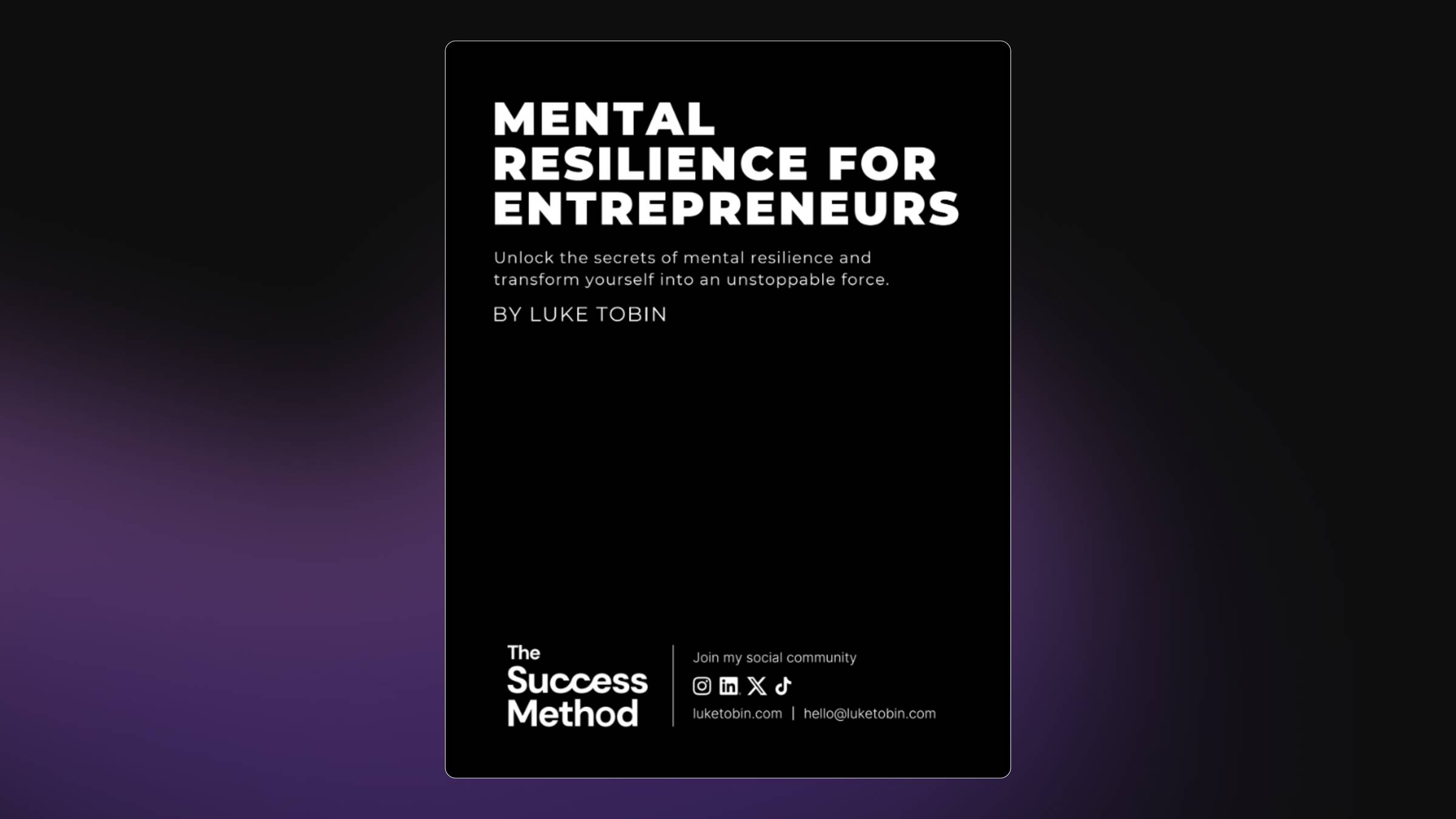
If stopping drinking has shown you how much your energy drives your decisions, this guide helps you keep that edge. Simple ways to steady your mood, handle stress, and stay sharp when the week gets noisy so you can make better calls without needing a crutch.
This week’s Highlighted Partner is Mirth Water, a genuinely better “grab-and-go” drink for busy founders: sparkling water made with real organic fruit juice (not vague “natural flavours”), no added sugar, and each can includes 1.5 servings of Buoy Hydration for electrolytes + trace minerals, so it’s not just fizzy… It’s functional. If you want something that tastes like a treat but behaves like a smart default, Mirth is worth a spot in your fridge.
You don’t have to quit forever. You don’t have to announce it. You don’t have to make it your personality.
Just run the experiment.
Seven days is enough to show you what you’d get back with a clearer baseline.
To your unstoppable success,
Writer, The Success Method

%20(1).webp)

.jpg)


