


When the invitation to Richard Branson’s Island came through, I immediately said yes before I’d worked out what the plan would be.
It’s all part of a members’ club for founders at the very top end, The Forty, and a week here is no small investment. That said, I’m a big believer that you say yes to that kind of room first and figure the rest out after.
Then I got here. Founders from industries I don’t work in. Public profiles magnitudes bigger than mine. Larger exits. Some with a whole host of books out already.
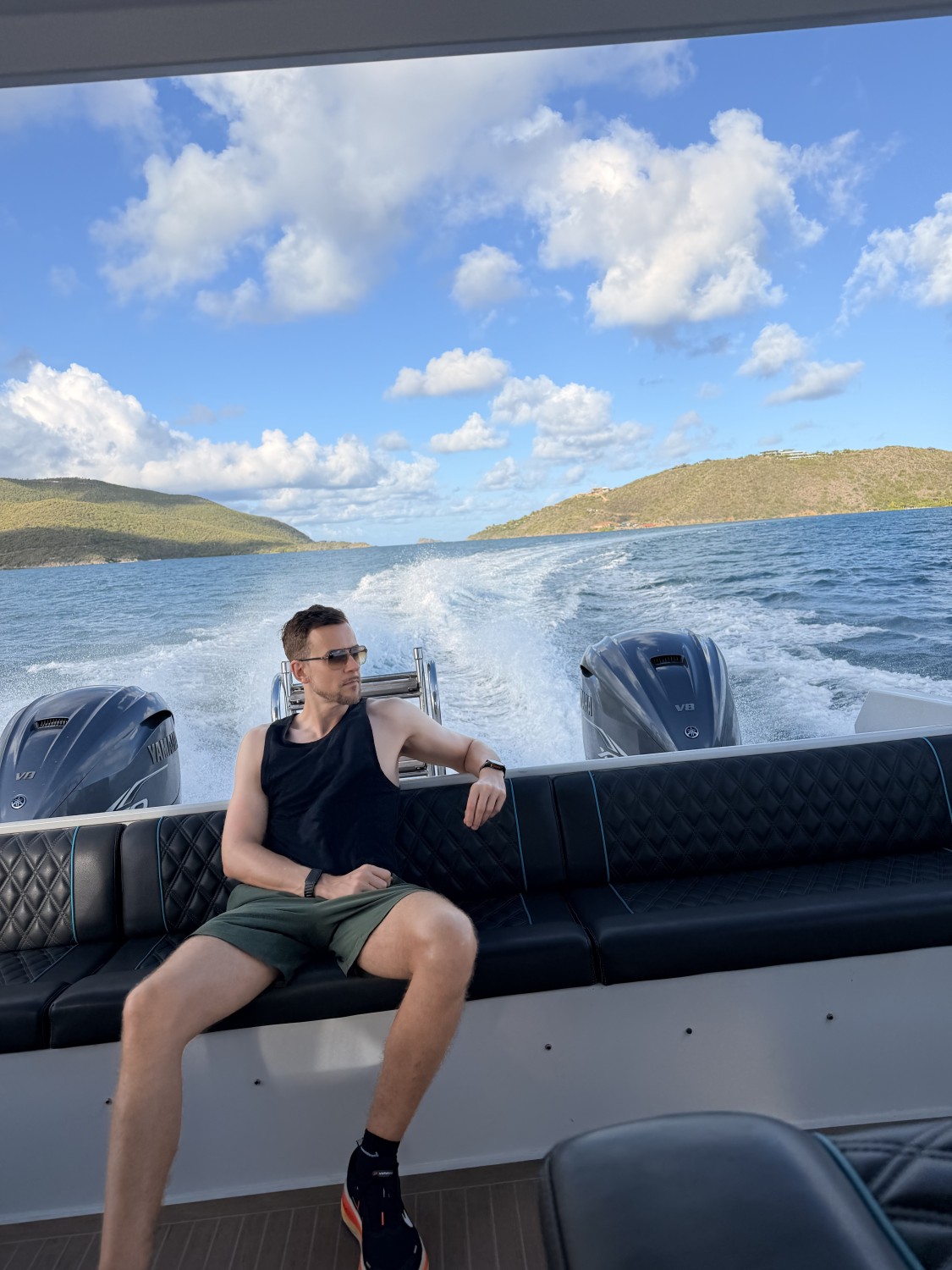
Naturally, the imposter in me didn’t take long to rear its ugly head.
Everyone here is doing something truly interesting. I realised that quite quickly, because of course they are all incredibly talented at telling you why what they’re doing will change the world.
And that opened up my mind, completely out-shadowed the imposter saying I didn’t belong there.
I came here to be challenged and to think bigger than I do at my desk. And within 24 hours, I had three or four ideas for how Unusual Group could do more.
Extensions of what we already do, from hearing how other people built their models and their grand plans to dominate their industries.
And I’ll prove it (in a way that won’t annoy my colleagues). Six or seven people here have built colossal, cash-generating businesses out of education.
We’ve got a lot of strategy at Unusual, and until this week I’d only ever thought about it one way. Sitting with those founders, I started asking a different question about it.
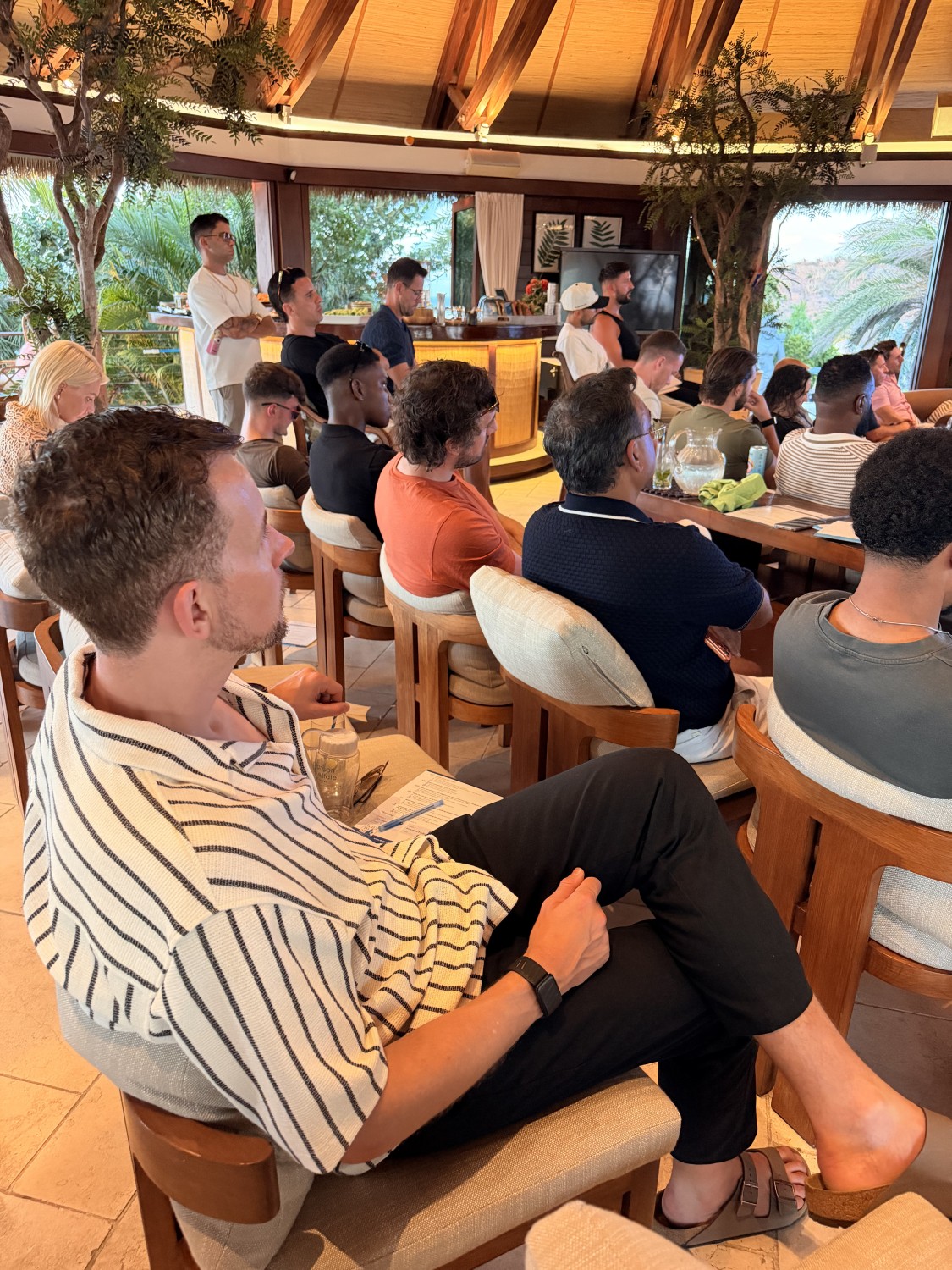
It’s the kind of thought that never would have occurred to me at my desk staring at my laptop. All I can say now is watch this space.
All that to say, what I’ve found is that you create your own chances, and you can’t always create them with your eyes glued to your monitor.
When you walk into a room like this, it’s easy to spend the whole time measuring yourself against everyone else.
In a way it feels like the complete opposite to Launchpad. Instead of feeling like the slow veteran amongst a group of young, spry entrepreneurs, it’s like being a small fish in a shark tank.
I felt it on the first day, and I think most of us as founders would. The trouble is that if you let it run, you leave with nothing but a list of people who are further ahead than you.
A bit of imposter syndrome in a room like this is fine. It usually means you’re somewhere that can stretch you.
But it only really earns its keep if you turn it into questions. How did you build that? Why use debt over your own money? What would you do in my position?
If anything this experience has told me that the value you get from stepping out of your comfort zone is often unforeseeable and immeasurable.
So if you get the opportunity this week, say yes to a dinner, an event, a group you’ve been invited to. Say yes now and work out what you’ll do after.
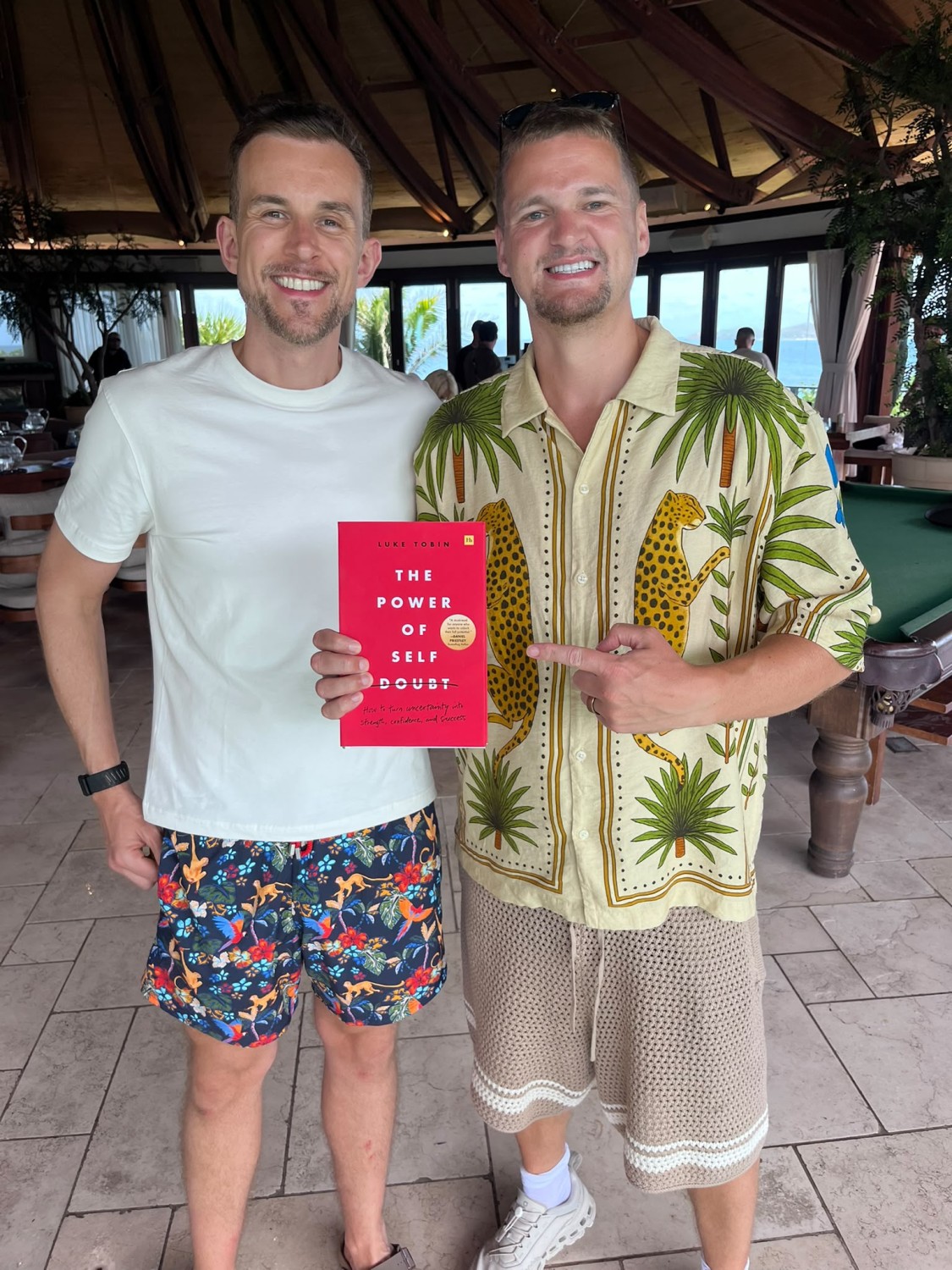
Saying yes to the bigger room before you’ve worked out exactly what you’ll do with it, and stepping out of your comfort zone to do it, is a big part of what my new book The Power of Self-Doubt is about.
The founders I’ve worked with who do well don’t have less doubt than anyone else. They’ve learnt to leverage it, so it points them towards the rooms worth walking into rather than away from them.
Richard Branson’s Island has been a good reminder that I still have to practise what’s in it.
>> Click here to pre-order my new book - The Power of Self-Doubt.
- Luke


