


Hello
Most founders I know are sprinting like athletes but treating recovery like it’s optional. Yet recovery is what separates those who scale sustainably from those who eventually burn out.
You push for growth, pile on hours, and convince yourself that momentum means never letting up. But here’s the truth: overtraining doesn’t just kill athletes’ careers. It kills businesses, too.
In sports science, the principle of periodisation explains why elite athletes sustain peak performance. They cycle intensity and recovery deliberately. Hard training is always followed by strategic rest. Without it, growth stops and injuries start.
The same logic applies to business. Recovery isn’t downtime; it’s adaptation time. Muscles rebuild, neurons rewire, resilience compounds. Founders who skip recovery don’t just stall; their decision-making, creativity, and emotional regulation all decline. Exactly the capacities their companies rely on most.
But founders rarely apply this thinking. We stack sprint on sprint, mistaking exhaustion for commitment, and calling it hustle. The result isn’t resilience. It’s fragility.

Think of your workload like a training cycle:
Skip recovery, and your baseline keeps sliding. You end up working more hours and getting less done. Without recovery, you don’t just burn out. You hollow out the very capacity your company relies on.
An Olympic coach once told me, “If my athletes trained like founders work, they’d be injured in a month.” That line stuck with me.
Athletes don’t treat every day like game day. They rotate between sprints, flow, and recovery so their bodies adapt and improve. We applied the same model to a SaaS founder who runs at full throttle seven days a week.
Here’s the rhythm we designed:
Within six weeks, output increased. The founder felt sharper, calmer, less reactive. The team made faster decisions and hit deadlines with fewer bottlenecks. The business didn’t just keep running. It accelerated.
Don’t overhaul your week. Start with one small ritual, protect it like you would an investor call, and let it compound.
Deload walk: 15 minutes without your phone after lunch.
Meeting fast: one no-meeting block every Friday afternoon.
Energy log: reflect weekly on what created vs drained energy.
Reset routine: 20 minutes of yoga, breathing, or mobility to start the week.
Creative sprint: an hour for reading, sketching, or idea exploration.
Recovery doesn’t have to be long. It just has to be deliberate.
The numbers don’t lie: recovery isn’t optional, it’s measurable.
A study in the Journal of Applied Sport Psychology found that athletes who built recovery rituals into training improved performance consistency by 28%.
The same is true for founders: consistency compounds more than intensity. McKinsey research backs this up, showing that executives who protect recovery time are 1.7x more likely to sustain high performance.
Recovery isn’t laziness. It’s leverage.
You’re not stepping back from growth. You’re fuelling it.
Founders don’t fail because they slow down.
They fail because they never stop sprinting.
This week, create one recovery ritual and put it on your calendar. If you wouldn’t cancel an investor call, don’t cancel this. In the long run, your capacity is your company’s capital.
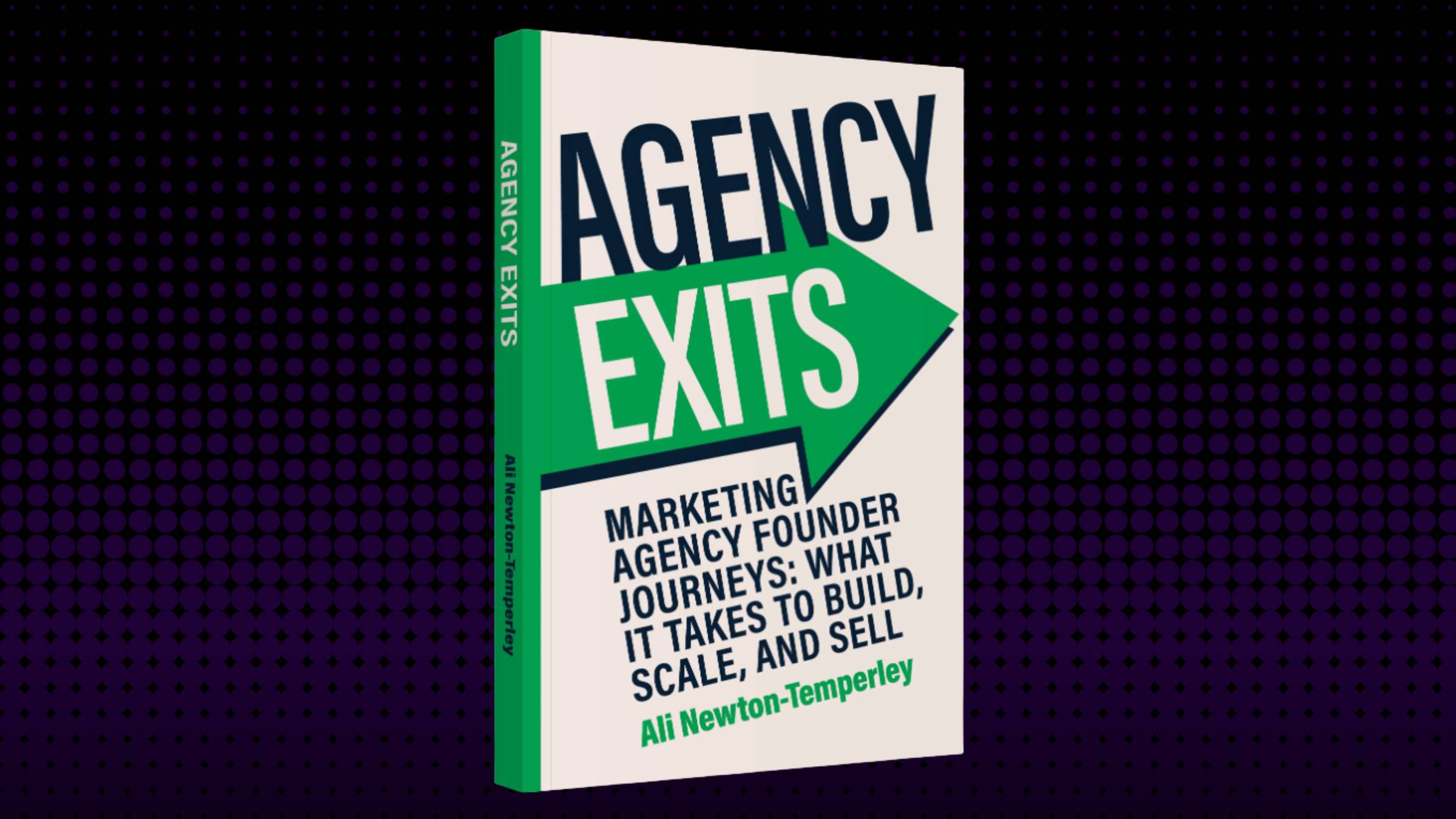
Big shoutout to my friend Ali!
Her new book, Agency Exits is already flying, and for a good reason.
Almost every agency founder I know talks about selling one day…
But the reality is, only 4% actually do.
Most agencies just aren’t built with an exit strategy. That’s what makes this book so powerful. Ali has gone behind the scenes with myself and six other founders, who’ve successfully sold their agencies and shares what really made the difference for them.
The good, the bad and the lessons you only learn by going through it. It’s packed with real stories and practical insights on everything, from protecting your team and clients to increasing valuation and avoiding the pitfalls that derail deals.
Even if you’re not thinking about selling right now, it’s a brilliant read on how to build a stronger, more resilient agency for the future.
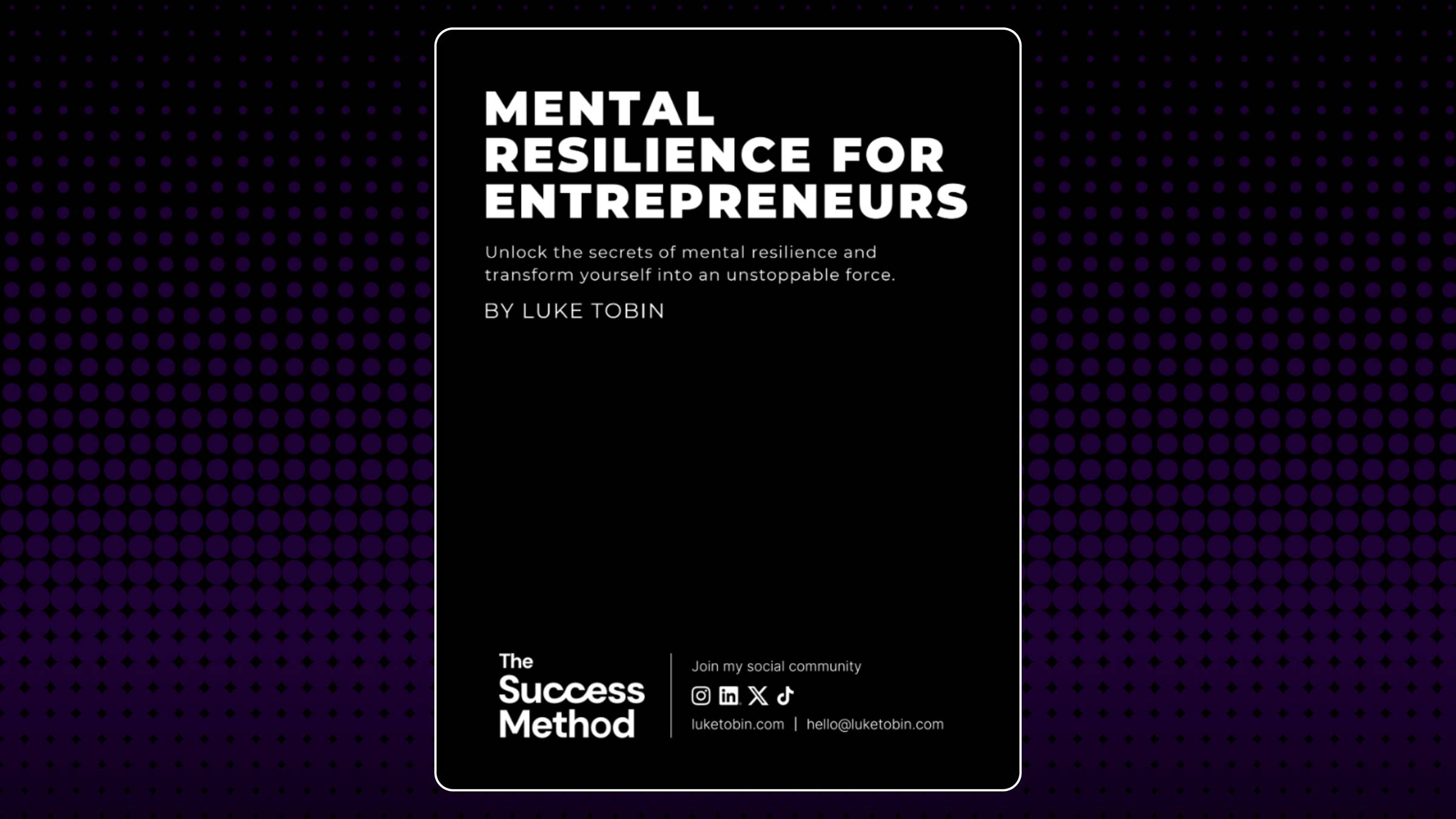
Recovery isn’t just rest, it’s resilience. The ability to handle stress, setbacks, and uncertainty without burning out.
This week’s resource is the Mental Resilience for Entrepreneurs, a practical PDF with exercises to strengthen your mindset, reset under pressure, and sustain peak performance over the long term.
Founders don’t burn out from one bad week. They burn out from a thousand small drains that compound. This toolkit shows you how to catch them early and course-correct before they cost you margin, momentum, or your health.
We’ll cover the 7 early warning signs of burnout, the ones founders mistake for hustle, discipline, or loyalty until it’s too late.
What’s the first sign you notice in yourself when you’re running on fumes? Hit reply and let me know. I’ll share some of your reflections in the next issue.
To your unstoppable success,

Writer, The Success Method

%20(1).webp)
.jpg)


