


There are plenty of business decisions where you can look at the numbers, build a spreadsheet and make a perfectly rational case for either option.
And then there are the ones where something just doesn't feel right.
I've learned not to ignore that feeling.
That doesn't mean every instinct is correct. Your gut can be swayed by fear, ego, impatience or a bad experience from the past.
But when something keeps bothering me, even when I can't immediately explain why, it's usually worth paying attention to.
The mistake is thinking you have to choose between instinct and evidence.
You don't.
Your gut tells you where to look.
The evidence helps you work out what to do next.
I've had situations where, on paper, everything looked fine... great, in fact.
Clients were paying on time, the numbers were going up, and the team were smashing it out the park.
But something just didn't feel right.
Sometimes that feeling turns out to be nothing. Other times, it was the first sign of a problem I hadn't yet been able to put into words.
So I've started asking myself one question that has changed the way I work.
What is my gut trying to tell me that I haven't articulated yet?
Maybe you've noticed a pattern in someone's behaviour. Maybe a client relationship has changed. Maybe you're chasing an opportunity because it makes financial sense, but you don't actually want to do it because it doesn't align with your values.
There's a difference between trusting your gut and blindly following it.
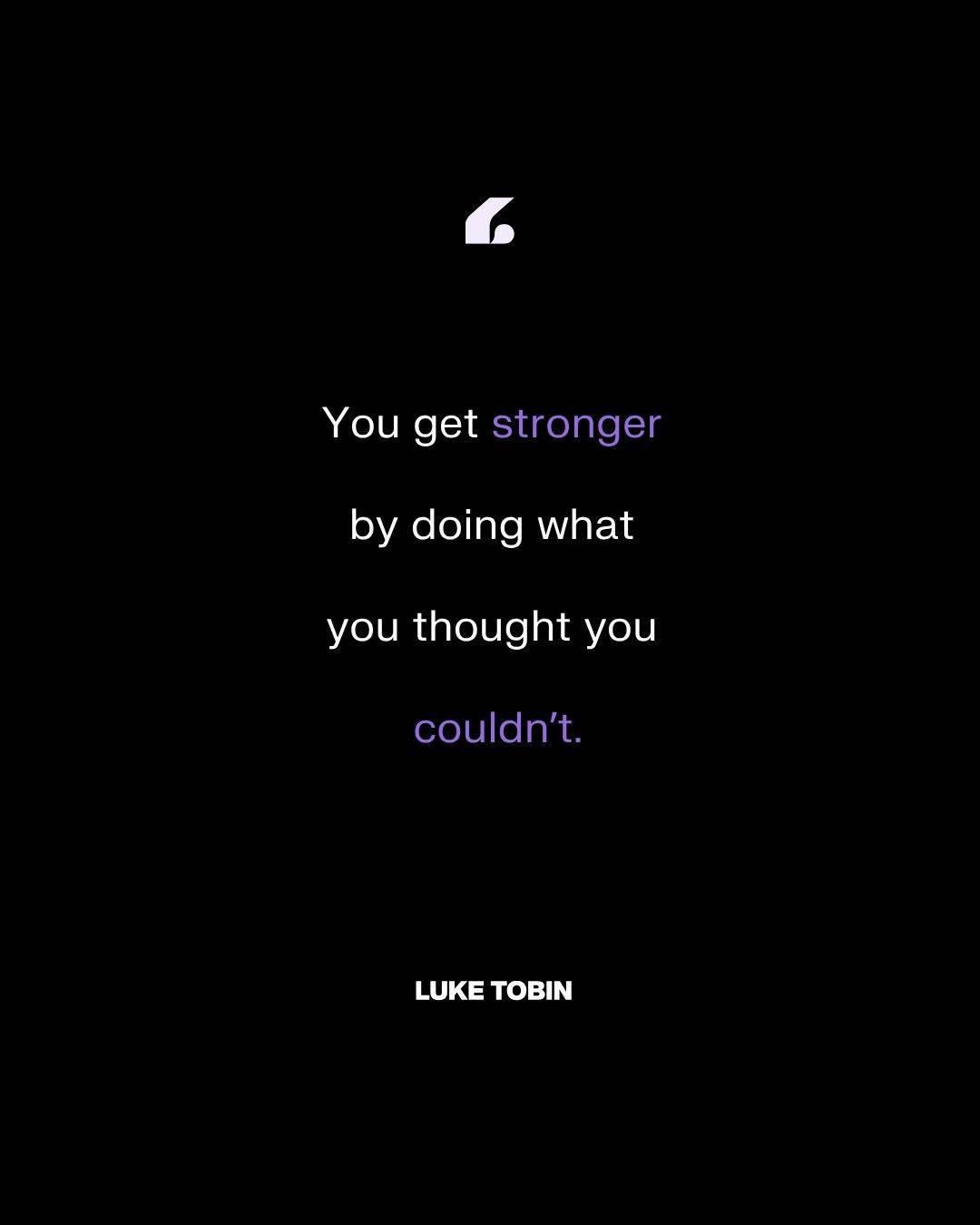
The older I get, the more I realise intuition isn't as mysterious as we make it sound.
You've seen enough situations, people and problems that your brain can recognise something before you can consciously explain it.
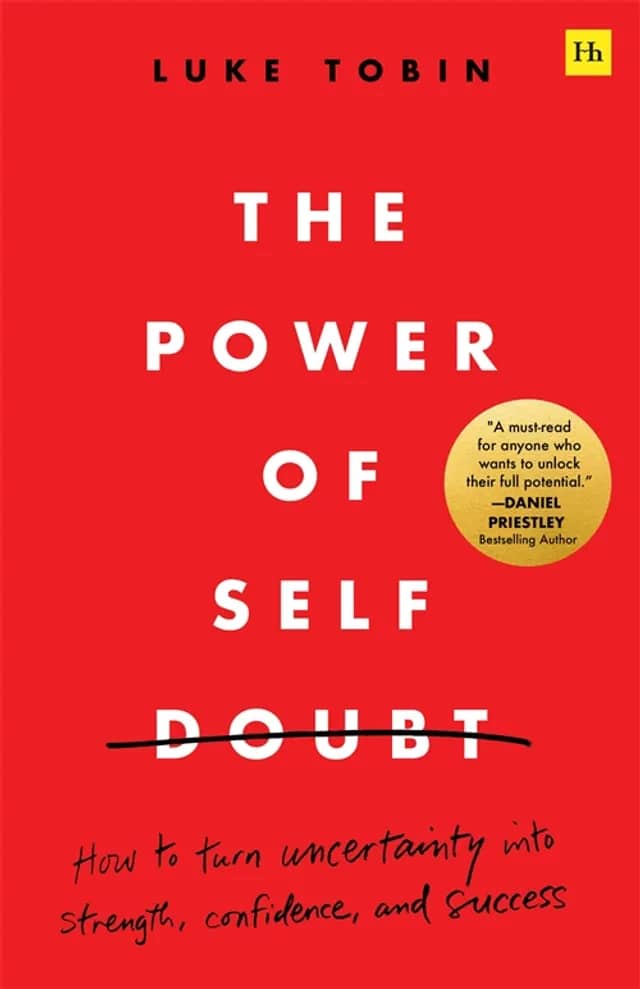
Similar to my theory on self-doubt. Once you learn to accept it, embrace it and grab it by the horns, it can drive you forward, not back.
If you'd like to discover more about how you can leverage self-doubt, sign up to the book waitlist for exclusive insights before launch.
Experience helps you recognise patterns because you've built up an internal library of comparisons. That's useful for entrepreneurs, because you're constantly making decisions with incomplete information. You have to make the best call with what you know, while being honest about what you don't.
And sometimes your first sign that you need to dig deeper is simply: this doesn't feel right.
Don't dismiss that. But don't automatically obey it either.
Trusting your gut doesn't always come naturally, especially early on, and especially when the stakes feel high.
Roblox co-founder and CEO David Baszucki has talked about exactly this. When he left Stanford in 1985 with no clear direction, he spent a couple of years drifting through what he's called the worst jobs of his life. At one point, rather than trusting his own instinct, he built a spreadsheet ranking nine potential careers against a list of metrics, trying to reason his way to an answer.
It didn't work. Looking back now, running a $60 billion company, he says the best advice he ever got was to stop overvaluing what other people think and start listening to his own gut instead.
I recognise that. Some of my best decisions came from a feeling I had to sit with, then go and find the evidence for.
The spreadsheet has its place. It's just not always where the answer starts.
Most founders have the instinct. They just struggle to trust it enough to act on it.
You feel the change before you can explain it, then spend weeks gathering evidence to justify a decision you'd already made in your gut.
That gap, between knowing and acting, is where most founders lose time.
It's one of the things I'm exploring more deeply in the book I'm writing.
A lot of what we call confidence isn't about believing you're always right. It's about knowing you'll be able to handle the consequences if you're wrong.
That's a very different kind of confidence. You don't need certainty before making a decision. You just need enough self-trust to make the call, watch what happens next, and adjust when the evidence tells you to.
That's how judgement gets better, and how you get more comfortable trusting your decisions.
If you'd like to hear more about the ideas I'm exploring around self-doubt, confidence and the psychology of being a founder, you can join the waiting list for my upcoming book here.
This is also why I'm hosting a free webinar on 2 September: Stand Out, Scale Up, Stay Profitable.
I'm going to break down how to build an agency that genuinely scales, including the same fundamentals that shape what that agency is worth when the time comes to sell.
Because scale isn't simply about getting more clients. It's about building the right relationships, protecting your margins, creating a business that becomes less dependent on you without becoming disconnected from its customers, and understanding what creates value beyond this month's revenue.
I built an agency from £100, scaled it quickly and eventually exited it. There's plenty I understand now that I wish I'd understood in the middle of building it.
That's what I want to unpack in the session.
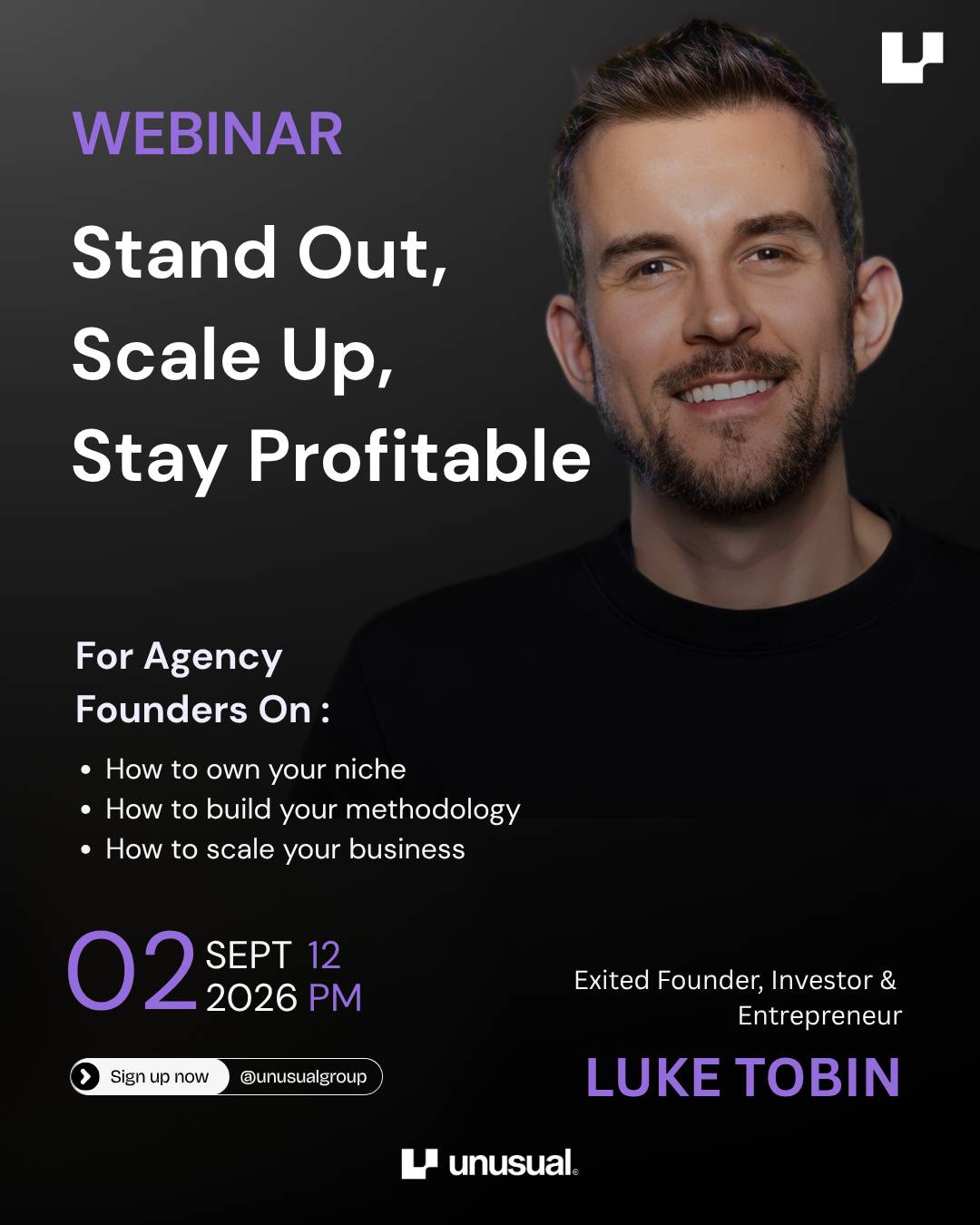
Register for the free webinar →
Think about a decision you've been putting off.
The one where, deep down, you already have a feeling about what you should do.
What would happen if you stopped trying to talk yourself out of it and started investigating why you feel that way?
Sometimes the answer is fear.
Sometimes it's ego.
And sometimes your gut got there before your brain did.
Until next time,
Luke
To your unstoppable success!

Writer, The Success Method

%20(1).webp)

.jpg)


